
Figma streamlines interface design and prototyping‚ offering collaborative features and AI integration via Figma Make. Importing PDF files enhances workflow flexibility.
What is Figma and Why Use It?
Figma is a collaborative web-based design tool‚ revolutionizing interface design and prototyping. Unlike traditional software‚ it operates directly within the browser‚ fostering real-time teamwork. Its power extends to handling PDF files‚ allowing designers to import and utilize existing documents seamlessly within their projects.
Figma Make introduces AI capabilities‚ automating tasks and accelerating the design process. This accessibility‚ combined with robust features‚ makes Figma ideal for designers of all levels‚ from beginners to professionals‚ seeking efficient and innovative solutions.
Figma’s Role in the Design Process
Figma integrates throughout the entire design lifecycle‚ from initial concept to final prototype. Designers can import PDF documents for reference or modification‚ streamlining workflows. Figma Make enhances this process with AI-powered automation‚ accelerating tasks like design token creation.
Collaboration is central; teams work simultaneously‚ providing feedback and iterating designs in real-time. Figma’s prototyping features allow for interactive simulations‚ testing usability before development‚ ensuring a polished final product.

Setting Up Your Figma Environment
Figma’s browser-based platform requires only an account. New files are easily created‚ and PDFs can be imported directly to begin interface design and prototyping.
Creating a New Figma File
Figma simplifies initiating projects; simply log in and click “New design file.” This instantly provides a fresh canvas ready for your interface designs. You can begin with a blank slate or leverage existing templates for faster prototyping.
Importing PDF documents is straightforward – drag and drop the file directly into your Figma workspace. Figma will render the PDF as vector shapes‚ allowing for detailed editing and integration into your designs. This is particularly useful for incorporating pre-existing assets or mockups into your workflow‚ accelerating the design process and ensuring consistency.
Understanding the Figma Interface
Figma’s interface centers around a canvas‚ layers panel‚ and properties panel. The canvas is where you visually construct your designs. The layers panel organizes elements‚ while the properties panel controls their attributes – color‚ size‚ position‚ and more.
When working with imported PDF files‚ Figma treats each page as a group of vector elements. You can unlock these groups to individually edit components. Familiarity with these core elements is crucial for efficient interface design and seamless PDF integration within your prototyping workflow.
Importing and Utilizing PDF Files in Figma
Figma allows direct PDF import‚ converting each page into editable vector shapes. This is useful for incorporating existing designs or documentation into your workflow. However‚ complex PDFs may import as grouped elements‚ requiring unlocking for individual editing.
Utilize imported PDF content as a base for prototyping‚ extracting elements‚ or modifying existing designs. Remember that PDF to vector conversion can sometimes result in a large number of layers‚ impacting performance. Optimize imported PDFs for smoother design and prototyping experiences.

Designing Interfaces in Figma
Figma’s vector tools‚ typography options‚ and layout grids empower designers. Imported PDF elements can be seamlessly integrated and customized within your interface designs.
Basic Shape Tools and Vector Editing
Figma provides a robust suite of basic shape tools – rectangles‚ lines‚ ellipses‚ and polygons – forming the foundation for interface creation. These shapes are fully editable as vectors‚ allowing for precise scaling and manipulation without pixelation. Designers can combine shapes using boolean operations (union‚ subtract‚ intersect‚ exclude) to construct complex forms.
Furthermore‚ the pen tool enables freeform vector drawing‚ ideal for crafting custom icons or illustrations. Imported PDF elements can be converted into editable vector paths‚ offering flexibility for modification and integration into your designs. Mastering these tools unlocks creative potential.
Working with Text and Typography
Figma offers comprehensive text handling capabilities‚ supporting various fonts‚ sizes‚ weights‚ and styles. Designers can easily add and format text layers‚ adjusting line height‚ letter spacing‚ and paragraph alignment. Utilizing styles ensures consistency across the entire design. Text effects like shadows and glows enhance visual appeal.
When working with PDF imports containing text‚ Figma attempts to recognize and convert it into editable text layers. However‚ complex PDF typography may require manual adjustments to maintain fidelity and readability within the design.
Utilizing Grids and Layouts
Figma’s grid and layout tools are crucial for creating structured and responsive interfaces. Designers can define column‚ row‚ and baseline grids to align elements precisely. Auto Layout dynamically adjusts element positioning and spacing‚ simplifying responsive design workflows. These features ensure visual consistency and scalability.
Imported PDF files may not automatically align with Figma’s grids. Designers often need to manually adjust element positions and utilize Auto Layout to integrate PDF content seamlessly into their designs‚ maintaining a cohesive layout.
Prototyping with Figma
Figma enables interactive prototyping with transitions and components. AI-powered Figma Make generates prototypes‚ though transferring them back to Figma Design for editing is currently limited.
Adding Interactions and Transitions
Figma excels at defining how users navigate your designs. You can easily link frames to create interactive flows‚ simulating a real user experience. Interactions are triggered by various events – clicks‚ taps‚ hovering‚ and more – allowing for nuanced control. Transitions define how elements move between screens‚ offering options like instant‚ dissolve‚ move in‚ push‚ and slide.
These visual cues enhance usability and provide feedback to the user. Experimenting with different interactions and transitions is key to crafting a polished and intuitive prototype. Remember that while Figma Make aids in prototype generation‚ refining these details remains crucial within Figma Design.
Creating Interactive Components
Figma’s component functionality extends beyond static elements; they can be made interactive! By combining components with interactions and transitions‚ you build reusable UI elements that respond to user actions. This is vital for complex prototypes. Define different states – hover‚ pressed‚ active – within a component to visually represent interaction.
Leverage variants to manage these states efficiently. While Figma Make can assist in initial design creation‚ crafting these interactive components and their nuanced behaviors requires detailed refinement within Figma Design for a truly polished experience.
Using Figma’s Prototype Modes
Figma offers diverse prototype modes to simulate user experiences accurately. Present mode allows for realistic presentations‚ while Share mode facilitates collaborative feedback. Explore the ‘Preview’ tab to test interactions directly within the browser. Utilize overlays and scrolling behaviors to mimic app functionality.
Remember‚ prototypes generated via Figma Make can be transferred to Figma Design for manual editing and refinement. Mastering these modes ensures effective communication of design intent and a polished‚ interactive user journey.

Figma Plugins for Enhanced Functionality
Figma plugins‚ including AI-powered options‚ automate tasks like design token creation. Explore tools to boost efficiency and streamline your interface design process.
Overview of Popular Figma Plugins
Figma’s plugin ecosystem dramatically expands its capabilities. Several plugins assist with design token management‚ ensuring consistency across projects. AI-powered plugins automate repetitive tasks‚ accelerating the design workflow. Tools like those from Codex MCP facilitate direct design creation within Figma files.
Furthermore‚ plugins aid in streamlining processes‚ from automating variable system creation to enhancing collaboration. The Figma community actively develops and shares plugins‚ offering solutions for diverse design needs. Exploring these resources unlocks significant productivity gains for interface design and prototyping.
AI-Powered Plugins for Design Automation
AI-driven Figma plugins are revolutionizing design workflows‚ automating tasks previously requiring significant manual effort. Plugins like the AI Skill Figma Plugin streamline design token creation‚ building enterprise-grade variable systems efficiently. These tools leverage artificial intelligence to accelerate prototyping and interface design.
Figma Make further integrates AI‚ allowing prompt-based design generation. While transferring prototypes from Figma Make to Figma Design is currently limited‚ the potential for automated design exploration is substantial‚ enhancing productivity and innovation.
Plugins for Design Token Management
Effective design token management is crucial for maintaining consistency across projects. Figma plugins are emerging as powerful tools to automate this process‚ simplifying the creation and application of design tokens. The AI Skill Figma Plugin exemplifies this‚ automating the entire design token creation workflow for enterprise-level variable systems.
These plugins ensure scalability and maintainability‚ reducing manual errors and streamlining collaboration. Properly managed design tokens‚ facilitated by these Figma extensions‚ contribute to a more efficient and cohesive design process.

Figma Make and AI Integration
Figma Make allows AI-powered design generation‚ though currently‚ prototypes created within it cannot be directly transferred back to Figma Design for editing.
Figma Make represents a significant leap forward‚ integrating Artificial Intelligence directly into the design process. This innovative feature empowers users to leverage AI prompts for rapid prototyping and interface creation. While currently‚ transferring completed prototypes from Figma Make back into Figma Design for further manual refinement isn’t possible‚ the potential is immense.
Users can attach existing designs to Figma Make prompts‚ initiating a collaborative workflow between human creativity and AI assistance. This opens exciting avenues for exploring design variations and accelerating the iterative design cycle‚ even when working with imported PDF files as a starting point.
Transferring Prototypes from Figma Make to Figma Design
Currently‚ a direct transfer of prototypes generated within Figma Make to Figma Design for continued manual editing isn’t supported; This limitation means designs created or iterated upon using AI prompts remain within the Figma Make environment. However‚ the functionality is highly anticipated by the Figma community;
Workarounds involve recreating designs manually in Figma Design‚ referencing the Figma Make output‚ or utilizing screenshots of the prototype. Future updates are expected to bridge this gap‚ allowing seamless integration and enabling designers to fully leverage the power of AI alongside traditional design workflows‚ even with PDF-based projects.
Utilizing AI Prompts within Figma
Figma Make introduces AI-powered design capabilities through prompt-based creation. Users can now generate interface elements and prototypes using natural language‚ streamlining the design process. While currently designs remain within Figma Make‚ the potential for AI-assisted design is significant.
Designers can leverage AI to rapidly explore variations‚ automate repetitive tasks‚ and even generate initial concepts‚ potentially starting from PDF mockups. The integration of AI prompts promises to accelerate workflows and unlock new creative possibilities within the Figma ecosystem.

Collaboration and Sharing in Figma
Figma excels in real-time collaboration‚ allowing teams to co-create and provide feedback on designs‚ even those based on imported PDF files.
Real-time Collaboration Features
Figma’s core strength lies in its seamless real-time collaboration. Multiple designers can work simultaneously on the same file‚ viewing each other’s cursors and changes instantly. This is particularly useful when working with complex interfaces built from imported PDF elements or during prototyping phases.
Version control automatically saves design history‚ enabling easy reversion to previous states. Designers can leave comments directly on the canvas‚ fostering clear communication and efficient feedback loops. Sharing designs for review is simplified‚ allowing stakeholders to provide input without needing a Figma account.
Sharing Designs for Feedback
Figma simplifies gathering feedback on your interface designs‚ even from those without Figma accounts. Shareable links provide view-only access‚ allowing stakeholders to review prototypes created from imported PDF assets or original designs. Commenting directly on the design canvas facilitates precise and contextual feedback.
Designers can control access permissions‚ ensuring sensitive information remains protected. This streamlined process accelerates iteration cycles and ensures alignment between designers‚ developers‚ and clients‚ improving the overall design quality.
Version Control and History
Figma’s robust version control automatically saves design iterations‚ allowing you to revert to previous states effortlessly – crucial when working with complex interfaces built from PDF imports or original creations. Every change is tracked‚ providing a complete design history.
This non-destructive editing ensures experimentation doesn’t risk losing valuable work. Designers can easily compare versions‚ identify changes‚ and restore earlier iterations‚ fostering a safe and collaborative design environment.
Figma Plugin Development and Approval
Figma plugin review timelines vary; submissions require approval before public use. Developers utilize MCP servers for external tool connections‚ troubleshooting common issues as needed.
Figma Plugin Approval Timeline
Figma plugin approval duration isn’t fixed‚ prompting developers to inquire about typical review times. Submissions undergo scrutiny to ensure quality and adherence to guidelines. The process can vary based on complexity and current workload. Developers are encouraged to thoroughly test their plugins before submission‚ addressing potential issues proactively.
Understanding the approval process and preparing accordingly can expedite the launch of valuable tools within the Figma ecosystem‚ benefiting the broader design community. Patience and clear communication are key during this phase.
Connecting Figma MCP Server with External Tools
Integrating Figma’s MCP Server with external tools presents challenges‚ as demonstrated by attempts to connect with Google Antigravity‚ which currently lacks official support. Developers have encountered issues using client IDs and secrets‚ resulting in errors. Establishing seamless connections requires careful configuration and adherence to API specifications.
Successful integration unlocks powerful automation possibilities‚ but compatibility and authentication remain key hurdles. Ongoing development aims to broaden tool support and streamline the connection process for enhanced workflow efficiency.
Troubleshooting Figma Plugin Issues
Figma plugin approval timelines can vary‚ prompting developers to inquire about typical review durations. Connectivity problems sometimes plague users‚ alongside frustrating CAPTCHA loading errors‚ potentially linked to slow internet speeds. Optimizing Figma’s performance is crucial for a smooth experience.
Addressing these issues often involves checking internet connections‚ verifying plugin code‚ and consulting the Figma community for solutions. Thorough testing and clear documentation aid in swift resolution.
Advanced Figma Techniques
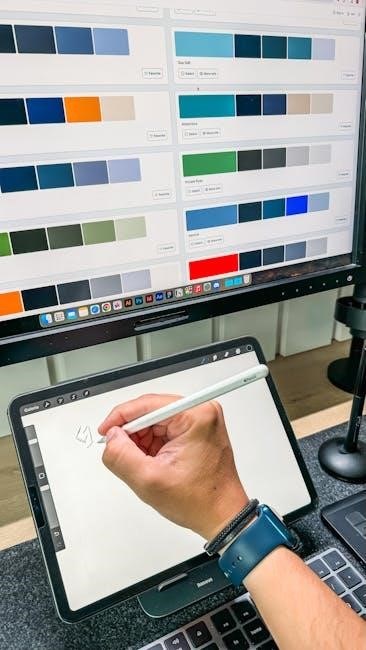
Components‚ variants‚ and Auto Layout empower responsive design within Figma. Building robust design systems ensures consistency and scalability across projects.
Working with Components and Variants
Components in Figma are reusable design elements‚ promoting consistency and efficiency. Variants allow for creating multiple states of a component – like button colors or sizes – within a single asset. This eliminates redundant design work and simplifies updates.
Effectively utilizing components and variants streamlines the design process‚ especially when working with complex interfaces. Changes made to the main component automatically propagate to all instances‚ ensuring a unified look and feel. This is crucial for maintaining a cohesive user experience and managing large-scale projects.
Utilizing Auto Layout for Responsive Design
Auto Layout in Figma is a powerful feature for creating dynamic and responsive interfaces. It automatically adjusts the layout of elements based on their content‚ ensuring designs adapt seamlessly to different screen sizes and resolutions. This eliminates manual resizing and repositioning‚ saving significant time and effort.
By defining constraints and padding‚ designers can establish rules for how elements should behave in various scenarios. Auto Layout is essential for building scalable design systems and creating consistent user experiences across multiple devices.
Creating Design Systems in Figma
Figma excels at building robust design systems‚ leveraging components‚ variants‚ and styles for consistency. These systems ensure a unified look and feel across projects‚ improving efficiency and maintainability. Utilizing Auto Layout further enhances scalability and responsiveness.
Design systems streamline collaboration‚ allowing teams to share and reuse pre-defined elements. This reduces design debt and accelerates the development process. Figma’s collaborative features make it ideal for managing and evolving design systems over time‚ fostering a cohesive brand identity.
Common Figma Issues and Solutions
Figma can experience connectivity problems or CAPTCHA loading errors. Optimizing performance and ensuring a stable internet connection often resolves these issues quickly.
Addressing Figma Connectivity Problems
Figma’s collaborative nature relies on a stable internet connection. If encountering issues‚ first verify your connection’s strength and stability. Temporarily disable VPNs or proxies‚ as they can sometimes interfere with Figma’s servers. Clear your browser’s cache and cookies‚ or try a different browser altogether.
Ensure Figma isn’t blocked by your firewall or antivirus software. Checking Figma’s status page for reported outages is also crucial. Restarting your browser or computer can often resolve temporary glitches. If problems persist‚ contact Figma support for assistance‚ providing detailed information about the issue.
Resolving CAPTCHA Loading Errors
CAPTCHA loading errors in Figma often stem from network issues or browser extensions. Ensure a stable internet connection and disable any potentially interfering browser extensions‚ particularly ad blockers or privacy tools. Clearing your browser’s cache and cookies can also resolve the problem.
Try a different browser or incognito mode to rule out browser-specific conflicts. If the issue persists‚ it might indicate a temporary problem with Figma’s servers; checking their status page is advisable. Restarting your computer can sometimes clear lingering issues.
Optimizing Figma Performance
To enhance Figma’s performance‚ simplify complex designs by reducing the number of layers and vector points. Utilize components and instances extensively to minimize file size and improve responsiveness. Regularly delete unused styles‚ layers‚ and assets.
Close unnecessary tabs and applications to free up system resources. Ensure your computer meets Figma’s recommended specifications. Consider using Auto Layout effectively and optimizing PDF imports for reduced file complexity‚ leading to smoother operation.
Figma Community and Resources
Figma’s forum connects designers for support and collaboration. Explore learning resources and participate in Figma Make-a-thons to expand your skills and network.
Joining the Figma Community Forum
Figma’s Community Forum is a vibrant hub for designers of all levels‚ offering a space to connect‚ learn‚ and grow. Users can seek solutions to challenges‚ including those related to PDF integration and prototyping workflows.
Experts and fellow designers readily share advice and best practices. It’s an invaluable resource for troubleshooting issues‚ discovering new techniques‚ and staying updated on the latest Figma features. Collaboration thrives within the forum‚ fostering a supportive environment for innovation and problem-solving.
Exploring Figma Learning Resources
Figma offers a wealth of learning resources to empower users‚ from beginners to advanced designers. These resources cover everything from foundational concepts to complex techniques‚ including working with PDF files and building interactive prototypes.
Tutorials‚ documentation‚ and workshops are readily available‚ guiding users through the design process. Explore official Figma learning paths and community-created content to enhance your skills. Continuous learning ensures you stay proficient and leverage Figma’s full potential for innovative interface design.
Participating in Figma Make-a-thons
Figma Make-a-thons‚ like the global event hosted by Contra‚ present exciting opportunities to build innovative projects utilizing Figma Make and its AI capabilities. These challenges encourage designers to push creative boundaries and explore new workflows‚ potentially incorporating PDF-based assets.
Participants compete for substantial prizes‚ fostering a collaborative environment and accelerating skill development. Engaging in these events provides valuable experience and showcases your design prowess within the Figma community‚ enhancing your portfolio.

Figma Beta Features
Figma continually releases beta features for testing‚ offering early access to innovative tools. These updates may impact PDF handling and prototyping workflows.
Overview of Currently Available Beta Features
Figma’s beta program provides access to experimental features‚ constantly evolving the design landscape. While specific features change‚ users can explore new functionalities impacting interface design and prototyping. Currently‚ enhancements focus on AI integration‚ potentially streamlining PDF import and manipulation. These betas allow designers to test advanced tools before public release‚ offering valuable feedback to Figma. Expect improvements in areas like component variants‚ auto layout‚ and collaborative workflows. Accessing these features requires opting-in through your Figma account settings‚ enabling a preview of future capabilities and potentially improving PDF-based design processes.
Understanding Beta Feature Types
Figma categorizes beta features to manage user expectations and gather targeted feedback. “Alpha” features are early‚ unstable previews‚ potentially impacting workflow‚ even with PDF imports. “Beta” features are more refined‚ offering increased stability for testing interface design and prototyping. “Public Beta” allows broad access‚ while “Private Beta” restricts participation. Understanding these classifications is crucial when experimenting with new tools. Features related to AI and PDF handling may fall into different categories depending on their development stage. Always report issues encountered during beta testing to help Figma refine these features.
Accessing and Utilizing Beta Features
Figma provides access to beta features through account settings‚ allowing designers to opt-in and test new functionalities‚ including potential enhancements for PDF integration. Users should regularly check for updates and announcements regarding available betas. Utilizing these features involves understanding their specific functionalities and limitations‚ especially when designing interfaces or prototyping with imported PDF assets. Reporting feedback is crucial for improving these tools. Remember that beta features may be unstable‚ so save frequently and exercise caution when working on critical projects.