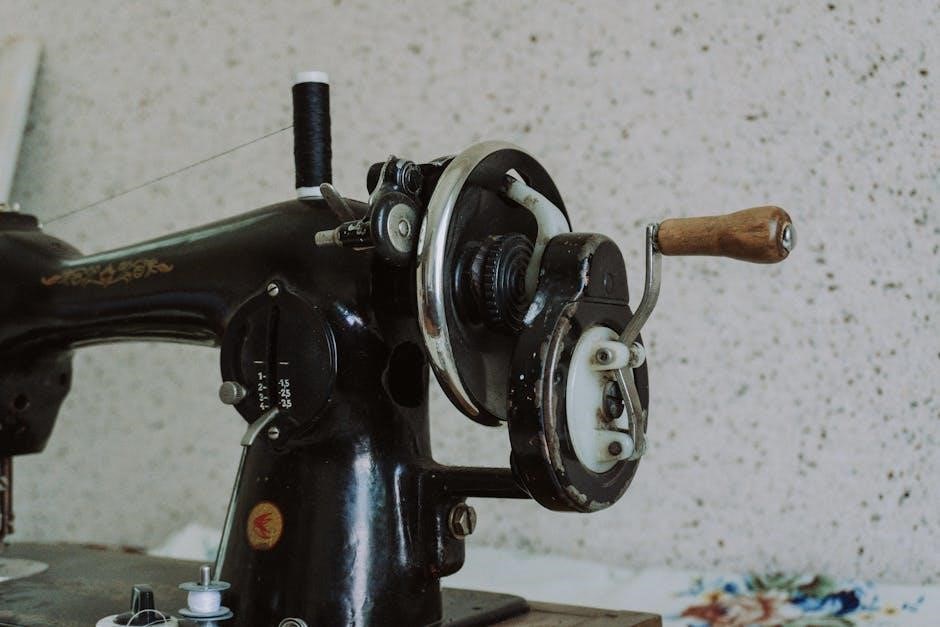
Singer 401A Sewing Machine Manual: A Comprehensive Guide
This guide details the Singer 401A manual, offering insights into its digital and reproduction availability, spanning 96 pages, primarily in English.
Resources like Etsy, eBay, ManualsLib, and internet searches provide access to PDF versions and service manuals for timing adjustments.
The Singer 401A, a slant-o-matic sewing machine, holds a revered position among sewing enthusiasts. Comprehensive manuals, both original and reproduced, are vital for owners seeking to understand and maintain this classic machine. These user guides, often available as digital PDFs, provide detailed instructions for operation and troubleshooting.
Understanding the machine’s features requires a solid grasp of the manual’s contents. Whether you’ve acquired a vintage model or are new to the 401A, accessing a complete user guide is essential. Resources like Etsy and eBay offer these manuals, while ManualsLib provides direct PDF downloads for convenient access.
Historical Context of the 401A Model
The Singer 401A, introduced as part of the Slant-o-Matic series, represents a significant evolution in home sewing technology. Released during a period of increasing domestic sewing popularity, the 401A quickly gained recognition for its innovative features and robust construction. Original manuals served as crucial companions for users navigating these advancements.
Accessing historical documentation, like the user manual, provides valuable insight into the machine’s intended operation and maintenance. Digital reproductions of these manuals allow modern sewists to experience the 401A as it was originally presented, preserving a piece of sewing history.
Availability of Manuals (Digital & Reproduction)
Singer 401A manuals are readily available through various channels, catering to diverse preferences. Digital PDF versions can be downloaded from internet search engines and platforms like ManualsLib, offering convenient access. Etsy and eBay frequently host both original and reproduction manuals, providing options for collectors and those seeking physical copies.
Complete user guides, often spanning 96 pages, are available as downloadable PDFs. Service manuals, including detailed timing instructions (121 pages), are also accessible digitally. These resources ensure continued support for this classic machine.
Understanding the Manual’s Contents
The 401A manual, in PDF or print, details operation and maintenance. Primarily in English, it distinguishes between user and service guides.
Manual Page Count & Format (PDF, Print)
Singer 401A manuals vary in format and length depending on the type. User manuals, readily available as reproductions, typically encompass 96 pages, providing comprehensive operating instructions. Conversely, service manuals, crucial for repairs and timing adjustments, extend to approximately 121 pages.
Both types are frequently found in digital PDF format, offering convenient access and searchability. Original print versions are rarer and often sought after by collectors. The PDF versions are often scanned copies of the original manuals, ensuring preservation of the original content and diagrams. Accessing these manuals allows for detailed understanding of the machine’s functionality.
Languages Supported (Primarily English)
Singer 401A sewing machine manuals are overwhelmingly published in English. While translations may exist, the vast majority of available resources – including user guides, service manuals, and online documentation – are originally written and distributed in English.
This prevalence reflects the machine’s initial market and the historical context of Singer’s documentation practices. Finding manuals in other languages can be challenging, requiring specialized searches or potentially relying on user-created translations. Therefore, proficiency in English is generally necessary to effectively utilize the available resources for operating and maintaining this classic sewing machine.
Service Manual vs. User Manual – Key Differences
Singer 401A service manuals, typically 121 pages long, are geared towards qualified technicians, detailing intricate repair procedures like timing adjustments. They assume a high level of mechanical understanding. Conversely, user manuals, often around 96 pages, focus on operation and basic maintenance for the average owner.
User manuals guide threading, stitch selection, and troubleshooting simple issues. Service manuals delve into the machine’s internal workings, providing exploded diagrams and precise specifications. Accessing a service manual is crucial for complex repairs, while the user manual suffices for everyday sewing tasks.

Key Features & Components

The Singer 401A boasts a Slant-o-Matic mechanism, specific needle systems, and a bobbin system; understanding these components is key to operation.
Slant-o-Matic Mechanism Explained
The Slant-o-Matic is a defining feature of the Singer 401A, revolutionizing stitch formation. This innovative mechanism allows the needle to enter the fabric at a slight angle, reducing fabric drag and minimizing puckering, especially noticeable with delicate or stretchy materials.
Unlike traditional vertical needle action, the slant promotes smoother fabric feed and more consistent stitch quality. This design contributes to the machine’s ability to handle a wider range of fabrics and stitch types effectively. The angled approach also aids in preventing skipped stitches and thread breakage, enhancing overall sewing performance.
Understanding this mechanism is crucial for maximizing the 401A’s capabilities and achieving professional-looking results.
Needle System and Thread Requirements
The Singer 401A utilizes a 15×1 needle system, a common size ensuring broad compatibility and easy sourcing of replacements. This system accommodates various needle sizes (typically 80/12 to 110/18) depending on fabric weight and type.
Thread selection is equally important. The 401A performs optimally with good quality all-purpose polyester or cotton-wrapped polyester threads. Avoid cheap or heavily textured threads, as they can cause tension issues and breakage.
For heavier fabrics, consider using heavier-weight threads and larger needle sizes. Always test thread and needle combinations on scrap fabric before starting your project to ensure proper stitch formation.
Bobbin Winding and Insertion
Bobbin winding on the Singer 401A is a straightforward process. Place the spool of thread on the spool pin, guide the thread through the tension disc, and onto the bobbin. Engage the bobbin winder by pushing it to the right.
Ensure even winding by gently applying pressure to the bobbin as it fills. Once full, the winder will automatically stop. To insert the bobbin, open the front cover and place it into the bobbin case, ensuring it rotates freely.
Thread the bobbin through the tension spring before closing the cover. Proper bobbin insertion is crucial for balanced stitch formation.
Foot Control Operation
The Singer 401A’s foot control regulates sewing speed; gentle pressure yields slower stitching, while increased pressure increases speed. Sew-Link electronic foot controls are compatible, offering a modern alternative to the original.
Ensure the foot control is firmly connected to the machine. Pressing the foot pedal activates the motor, initiating the sewing process. Releasing the pedal stops the machine immediately.
Smooth, consistent pressure on the foot control is key to achieving even stitches. Practice controlling the speed to master various sewing techniques.
Setting Up the Machine
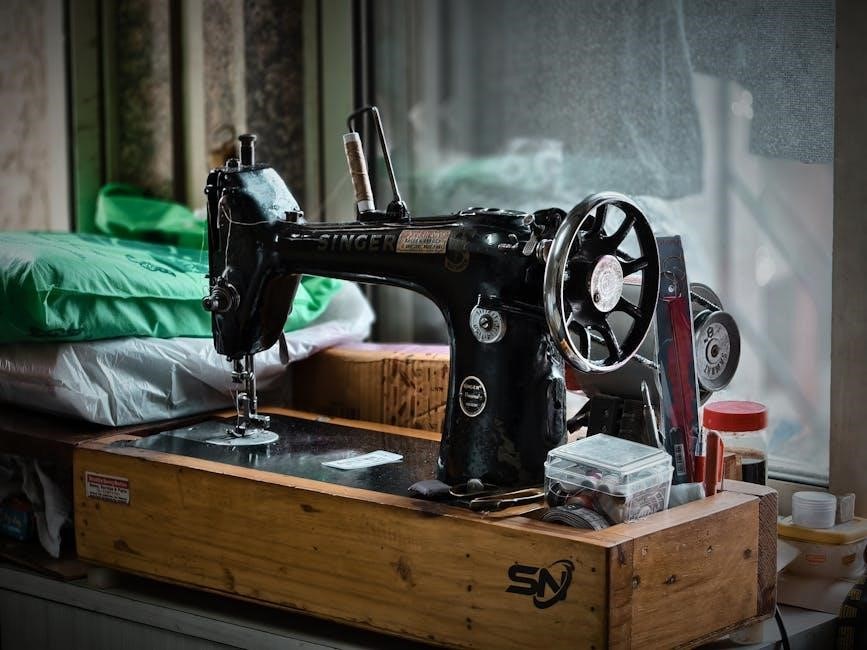
Initial setup requires proper oiling and threading, detailed in the manual. Bobbin tension and needle plate selection are crucial for optimal performance.
Initial Machine Setup & Oiling
Before first use, the Singer 401A requires careful initial setup, as outlined in the comprehensive manual. This involves ensuring all parts are correctly assembled and securely fastened. Crucially, proper lubrication is paramount for smooth operation and longevity. The manual details specific oiling points within the machine’s mechanism.
Applying sewing machine oil to these designated areas minimizes friction and prevents wear. Refer to the manual’s diagrams for precise locations. Avoid over-oiling, as excess oil can attract lint and cause issues. A clean machine, properly oiled, will deliver consistent, reliable performance, making your sewing experience more enjoyable and efficient.
Threading the Machine (Step-by-Step)
The Singer 401A manual provides a detailed, step-by-step guide to threading the machine correctly. Begin by raising the presser foot, ensuring the take-up lever is at its highest position. Guide the thread through the designated thread guides, following the numbered sequence illustrated in the manual.
Next, lead the thread through the tension discs and down to the needle bar. Finally, thread the needle from front to back. Incorrect threading is a common cause of sewing problems, so meticulous attention to detail is essential. The manual’s clear illustrations will help ensure proper threading every time.
Bobbin Tension Adjustment
The Singer 401A manual emphasizes the importance of correct bobbin tension for optimal stitch quality. Adjusting the bobbin tension involves turning the small screw located on the bobbin case. Clockwise adjustments increase tension, while counter-clockwise adjustments decrease it.
Testing is crucial: sew on a scrap fabric and observe the stitches. If the bobbin thread pulls the fabric, decrease tension. If the top thread loops, increase tension. Proper adjustment ensures balanced stitches and prevents thread breakage, contributing to a professional finish. Refer to the manual’s diagrams for precise guidance.
Needle Plate Selection & Usage
The Singer 401A manual details various needle plates for specialized sewing tasks. Selecting the correct plate is vital for achieving desired stitch results. A straight stitch plate is standard, while a zigzag plate accommodates wider stitch widths.
Buttonhole plates facilitate professional buttonholes, and a darning plate supports free-motion embroidery. Installation involves loosening the plate screw and aligning the plate correctly. Using the appropriate plate ensures smooth fabric feeding and prevents skipped stitches, enhancing sewing precision.

Basic Sewing Operations
The 401A manual guides users through straight and zigzag stitching, adjusting stitch length/width, and utilizing the reverse function for secure seams.
Straight Stitching Techniques
The Singer 401A manual details achieving consistent straight stitches, crucial for garment construction and quilting. Proper threading, as illustrated in the manual, is paramount for even tension. Selecting the correct needle for the fabric weight ensures smooth fabric feed.
Consistent seam allowances are maintained by utilizing markings on the needle plate; Adjusting stitch length impacts the stitch appearance and fabric suitability; shorter stitches for delicate fabrics, longer for heavier materials. Practice on scrap fabric is recommended to master consistent straight stitching before tackling projects. The manual emphasizes a steady, even feed rate for optimal results.
Zigzag Stitching Applications
The Singer 401A manual showcases the versatility of zigzag stitching, extending beyond simple seam finishing. Adjusting stitch width and length unlocks diverse applications, from decorative embellishments to stretch fabric seams. Zigzag stitches prevent fabric fraying, ideal for knitwear and delicate materials.
The manual details using zigzag for buttonholes (with attachment), appliqué, and creating decorative motifs; Experimenting with different settings yields unique textures and effects; Proper tension is vital for a balanced zigzag stitch. Consistent fabric feed ensures uniform stitch formation. Mastering zigzag expands creative sewing possibilities with the 401A.
Adjusting Stitch Length and Width
The Singer 401A manual explains how to precisely control stitch dimensions. Stitch length, adjusted via a dial, impacts seam strength and appearance – shorter for delicate fabrics, longer for heavier materials. Stitch width, also dial-controlled, determines zigzag stitch breadth, influencing decorative effects and seam stretch.
The manual emphasizes testing adjustments on scrap fabric. Incorrect settings can cause puckering or thread breakage. Understanding the interplay between length and width is crucial for optimal results. Fine-tuning these parameters allows for customized stitching, adapting to diverse project requirements and fabric types with the 401A.
Reverse Sewing Functionality
The Singer 401A manual details the reverse lever’s operation, essential for securing stitch beginnings and ends. Engaging this lever alters the machine’s direction, creating backstitches. The manual advises using reverse sparingly – typically a few stitches – to avoid bunching or weakening the seam.
Proper technique involves holding the lever down only during the desired reverse stitches, then releasing it to resume forward sewing. Consistent use of reverse reinforces seams, preventing unraveling. The 401A’s robust mechanism ensures smooth transitions between directions, contributing to durable and professional-looking results, as outlined in the user guide.

Advanced Techniques & Troubleshooting
The Singer 401A manual covers buttonhole attachment, zipper insertion, and solutions for common issues like thread breakage, ensuring smooth operation.
Buttonhole Attachment & Operation
The Singer 401A manual provides detailed instructions for utilizing the buttonhole attachment, a key feature for garment construction. Proper attachment is crucial for achieving consistently sized and neatly finished buttonholes. The manual guides users through selecting the correct settings for button size and fabric weight, ensuring optimal results.
Step-by-step diagrams illustrate the attachment process, while clear explanations detail how to operate the machine for automatic buttonhole creation. Troubleshooting tips address common issues like uneven stitching or incorrect buttonhole length, empowering users to resolve problems independently. Mastering this technique significantly expands the machine’s versatility.
Zipper Insertion Guide
The Singer 401A manual offers a comprehensive zipper insertion guide, covering various techniques for both standard and invisible zippers. Detailed illustrations demonstrate how to select the appropriate presser foot and adjust stitch settings for different zipper types and fabric weights. The manual emphasizes the importance of precise alignment and consistent seam allowances.
Step-by-step instructions walk users through each stage of the process, from pinning the zipper in place to stitching along the zipper teeth. Troubleshooting advice addresses common challenges like puckering or uneven stitching, ensuring professional-looking results. This guide unlocks the ability to create garments with secure and aesthetically pleasing zippers.
Troubleshooting Common Issues (Thread Breakage, etc.)
The Singer 401A manual dedicates a section to resolving frequent sewing problems, with thread breakage being a primary concern. It details causes like incorrect threading, improper needle selection, or excessive tension. The guide advises checking the threading path, ensuring the needle is correctly inserted, and adjusting tension dials incrementally.
Further issues addressed include skipped stitches, fabric bunching, and inconsistent stitch length. The manual suggests cleaning the machine, re-oiling moving parts, and verifying the timing (requiring a service manual). Clear diagrams aid in identifying and rectifying these common mechanical hiccups.
Maintenance & Repair
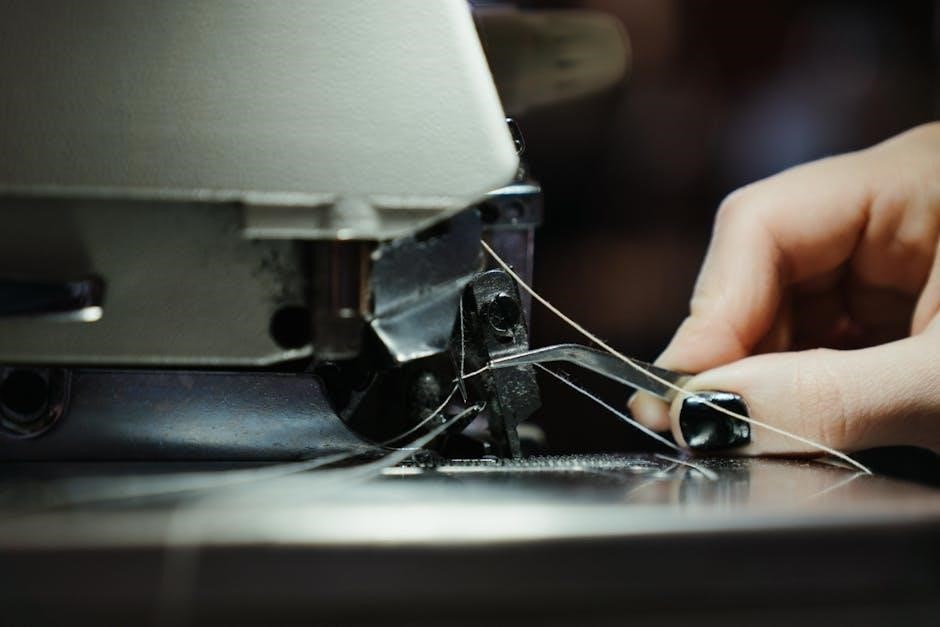
The 401A manual stresses regular cleaning and lubrication, pinpointing specific oiling points. Timing adjustments, however, necessitate the separate service manual for detailed instructions.
Regular Cleaning Procedures
Maintaining your Singer 401A involves consistent cleaning to ensure optimal performance and longevity. The manual emphasizes removing lint, dust, and stray threads from all accessible areas. Focus on the bobbin case, feed dogs, and the surrounding areas, utilizing a brush or soft cloth.
Periodically, a slightly dampened cloth can be used to wipe down the exterior surfaces, avoiding harsh chemicals. Pay attention to the needle plate and ensure it’s free of debris. Regularly cleaning prevents fabric buildup that can cause tension issues and affect stitch quality. Consistent upkeep, as outlined in the manual, minimizes the need for extensive repairs.
Oiling Points & Lubrication
Proper lubrication is crucial for the Singer 401A’s smooth operation, as detailed in the manual. Key oiling points include the bobbin race, the main shaft, and all gear mechanisms. Use a high-quality sewing machine oil, applying it sparingly to avoid buildup.
The manual stresses the importance of oiling after every 50 hours of use, or more frequently in dusty environments. Avoid over-oiling, which can attract lint and cause issues. Regular lubrication reduces friction, preventing wear and tear on internal components, ensuring the machine’s longevity and consistent performance. Refer to the service manual for detailed diagrams.
Timing Adjustment (Service Manual Required)
Adjusting the timing on a Singer 401A is a complex procedure best left to experienced technicians, and requires the service manual. Incorrect timing leads to skipped stitches, thread breakage, or inconsistent stitch formation. The service manual provides detailed diagrams and step-by-step instructions for aligning the timing marks.
This process involves loosening specific screws and carefully rotating components to achieve proper synchronization. Attempting this without the manual and proper knowledge can cause significant damage. A 121-page digital PDF of the service manual is available on eBay for those needing to perform this task.
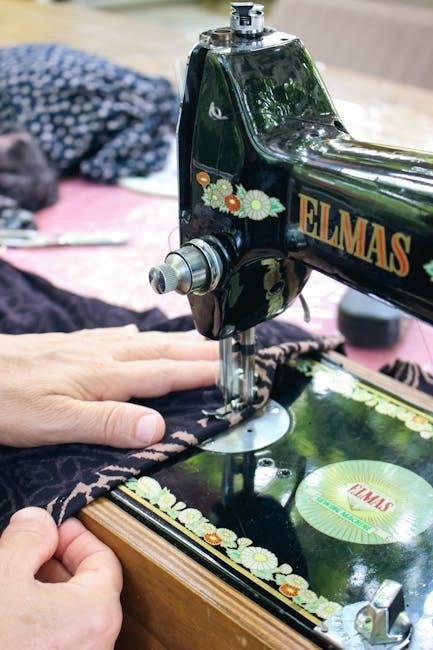
Parts & Accessories
Manuals list parts for Machine No. 401A1 (Form 730-401A1). Compatible presser feet and replacement parts are found on eBay and Etsy.
List of Parts – Machine No. 401A1
The Singer 401A, specifically Machine No. 401A1, boasts a detailed parts list documented in Form 730-401A1. This comprehensive inventory is crucial for repairs and maintenance, ensuring the longevity of this classic sewing machine. Original manuals and reproduction guides often include this vital section, detailing each component with corresponding part numbers.
Accessing this list is essential when sourcing replacement parts, whether through online marketplaces like eBay or specialized sewing machine retailers. Understanding the part numbers streamlines the process, guaranteeing compatibility and a precise fit. Detailed diagrams accompany the list in service manuals, further aiding identification and assembly.
Compatible Presser Feet
The Singer 401A exhibits remarkable versatility, enhanced by a range of compatible presser feet. Original manuals and online resources detail these attachments, expanding the machine’s capabilities beyond basic stitching. Common options include a zigzag foot, buttonhole foot, and a specialized foot for zipper insertion, each designed for specific tasks.
Finding these feet is often possible through eBay, Etsy, and sewing machine parts suppliers. Compatibility is generally broad, with many vintage Singer attachments fitting the 401A model. Utilizing the correct presser foot ensures optimal stitch quality and simplifies complex sewing projects, maximizing the machine’s potential.
Finding Replacement Parts
Locating replacement parts for the Singer 401A often involves exploring vintage sewing machine markets. Etsy and eBay are prime resources, offering a diverse selection of original and reproduction components. ManualsLib and online forums can aid in identifying specific part numbers, crucial for accurate searches.
Specialized sewing machine repair shops also stock parts or can source them. Consider joining online communities dedicated to vintage Singers; members frequently trade or sell components. Patience is key, as availability fluctuates. Prioritize genuine Singer parts when possible, ensuring compatibility and longevity.

Resources & Further Information
Explore online forums, Etsy, eBay, and ManualsLib for manuals and parts. Sew-Link offers electronic foot control compatibility for your 401A.
Online Forums & Communities
Engaging with online forums and communities dedicated to vintage sewing machines, particularly the Singer 401A, provides an invaluable resource for owners. These platforms foster a collaborative environment where users share experiences, troubleshooting tips, and restoration advice.
Members often post scans of original manuals, discuss parts sourcing, and offer guidance on complex repairs. Dedicated groups on platforms like Facebook and specialized sewing machine forums are brimming with knowledgeable enthusiasts eager to assist.
Accessing these communities allows you to tap into a wealth of collective wisdom, extending beyond the scope of any single manual, and ensuring your 401A remains in optimal working condition for years to come.
Etsy & eBay for Manuals & Parts
Etsy and eBay serve as prominent marketplaces for sourcing both original and reproduction Singer 401A sewing machine manuals. Numerous sellers offer complete user guides, often in PDF format, providing convenient digital access to instructions.
Beyond manuals, these platforms are treasure troves for locating replacement parts, including presser feet, bobbins, and even more intricate components. Careful searching and comparing listings are crucial to ensure authenticity and fair pricing.
However, be mindful of seller ratings and descriptions, as condition and completeness can vary significantly. These sites offer a practical avenue for maintaining and restoring your 401A.
ManualsLib Database Access
ManualsLib provides a readily accessible online database hosting the Singer Slant-o-matic 401A instructions for using manual in PDF format. This resource allows users to view and download the manual directly, offering a convenient alternative to purchasing a physical copy or searching through multiple websites.
The database includes detailed information on machine operation, maintenance, and a list of parts – Machine No. 401A1 (Form 730-401A1 (568)). Access is generally free, though users may encounter advertisements.
However, the quality of the scans may vary, and it’s advisable to cross-reference information with other sources for clarity.
Sew-Link Electronic Foot Control Compatibility
Amazon.com listings indicate compatibility of the Sew-Link electronic foot control cord and pedal with various Singer models, including the 401 and 401A. This offers a modern alternative to the original foot control, potentially providing smoother speed control and enhanced sewing experience.
However, users should verify compatibility before purchasing, as modifications or adapters might be necessary. Consider checking user reviews and forums for reported experiences with this specific combination.
Furthermore, ensure the Sew-Link control is appropriately rated for the Singer 401A’s power requirements to avoid damage.